Don’t Scare Yourself
In 1843, Monos Leites, a leader in the town of Mstislavl (also called Amchitslav), along with peers, stood up against the regional governor’s persecution. Together, these righteous elders incurred punishment from Tsar Nicholas for their alleged “Mstislavl Rebellion,” first by having their Orthodox hair and beards shaved into a checkerboard pattern, then by getting thrown into prison. Further, Nicholas decreed that one in ten male Mstislavl Jews aged twelve to sixty would be conscripted into the army.
Wealthy merchant Isaac Zelinkan from the nearby town of Monastyrchina pulled strings in St. Petersburg, and amazingly—months later—two teams of investigators exonerated the Jews of rebelling against the Tsar. Nicholas issued an “Imperial Act of Grace,” freeing the elders and releasing the conscripts, while censuring the governor for corruption. This stunning reversal was interpreted by the Jews as divine intervention echoing the book of Esther.
For generations, the Mstislavl affair was commemorated as a religious holiday called Purim D’Amchitslav.
One hundred and fifty years later, after the Soviet Union’s collapse in the 1990s, a million Jews were permitted to flee claustrophobic discrimination, to Israel. This emigrant Jewish community’s traumatic memories of hundreds of persecutions—from the Mstislavl affair to the Holocaust—meant these new Israeli citizens prioritized, on a personal level, establishing themselves successfully in society, and on a societal level, “national security.” Politically, most post-Soviet Jews joined Israel’s right-wing Likud party, tipping the nation’s electoral majority away from support of the Oslo Peace Accords recently signed by Labor party leaders Yitzhak Rabin and Shimon Peres with Palestinian Liberation Organization leader Yasser Arafat.
This big majority of post-Soviet voters had swallowed Likud’s frightened “Never Again” narrative—hook, line, and sinker.
The Oslo Accords moment had represented a once-in-a-lifetime opportunity for a peace that could have improved the lives of millions. Now, any possibility was gone that Palestinians dispossessed during the 1948 creation of Israel—the Nakba—would see justice.
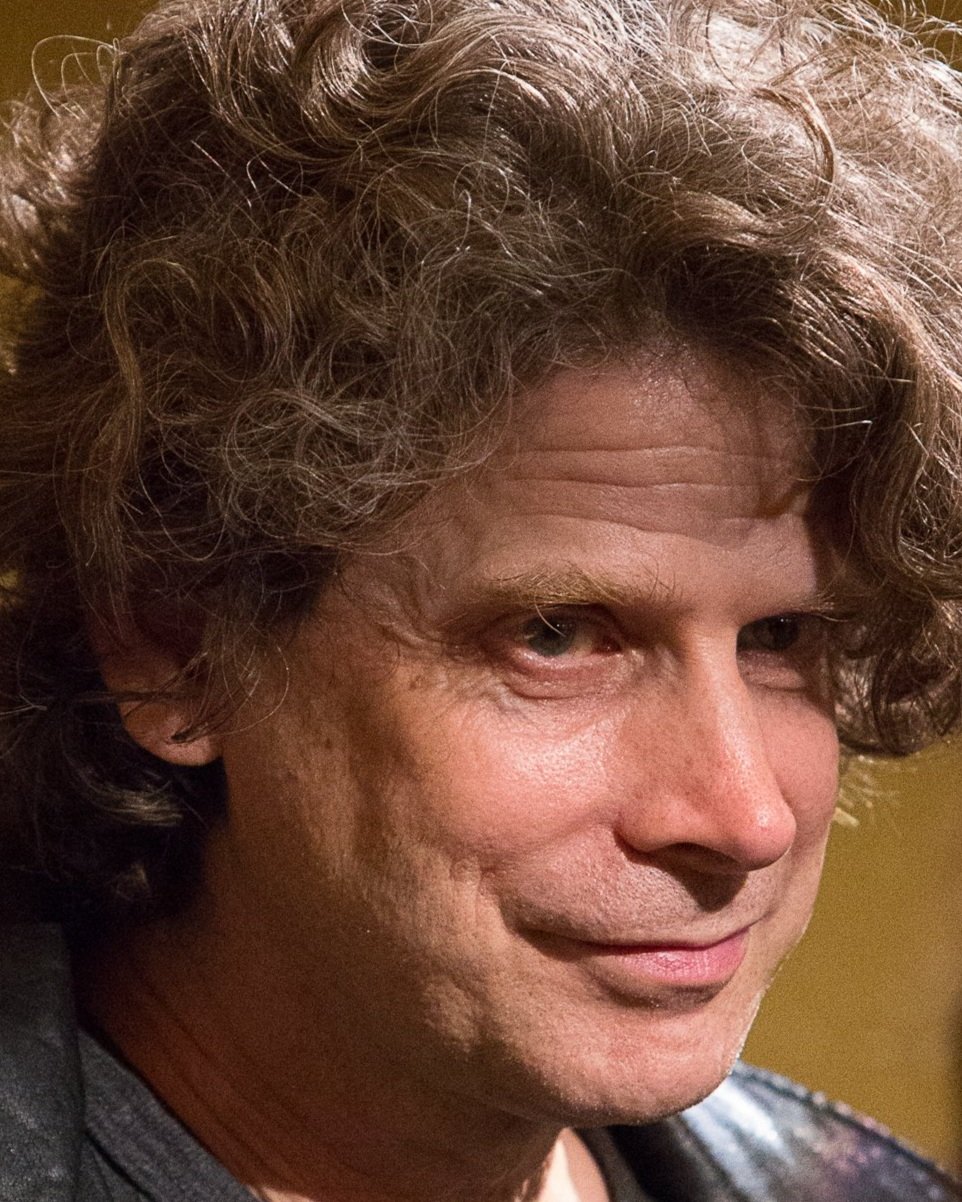
In Oh No! Did My Family Screw Up the Middle East Peace Process?, Monos Leites’ great-great-great-grandson Andrew Laties—while attending a forty-fifth reunion at the college he dropped out from—wrestles with the paradox of how it could be that his once-oppressed Jewish family could oppress Palestinians.
Was it fear?
And a bigger question: how should a person live in the world as it is, not as he wishes it were?
Laties finds answers in the righteous lifework of his activist and artistic classmates, and in the 1806 wisdom of Rabbi Nachman of Breslov: “The world is a very narrow bridge. The most important thing is, don’t scare yourself.”
