
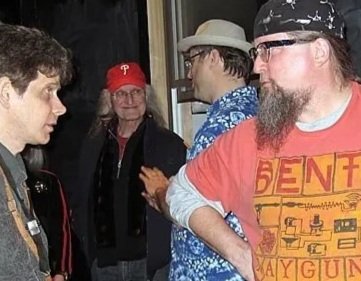
The Ancient History of Ned Corman and PHS
Hi Andy,
Thank you for asking about my PSCD job history. Nearly from the beginning, there, always, was so much "business" outside the class room, political stuff I never dreamed would be part of a teaching career, let alone mine. I'm, forever, proud that I took steps, 1968 - 1974, standing up for rights to administration and have consistently felt those steps, and how they unfolded played, a role, for the better, in the district's evolution. I'm not sure others, more removed from details, appreciated how costly the process was to Linda and me, financially and emotionally. The machinations took hours and hours out of our lives (too boot, we were newly weds, having married April, '68) not to mention anxiety caused by not knowing how I might be treated, next. Don Strickland and I never have had that conversation – about the impact on others beyond Linda and me – nor have I talked about the happenings with any other school district employee or observer.
Description of events will take a bit but I'll relate them because I'd like to re-live some of the memories. I caution you, the narrative will go on a bit. 'Tis no tweet.

Whose Consciousness Matters?
What makes cute squirrel consciousness and Artsy AI consciousness matter, but farm-animal and Palestinian consciousness not matter? Eye of the beholder? Convenience to me?
I Recommend “Nine Gates”
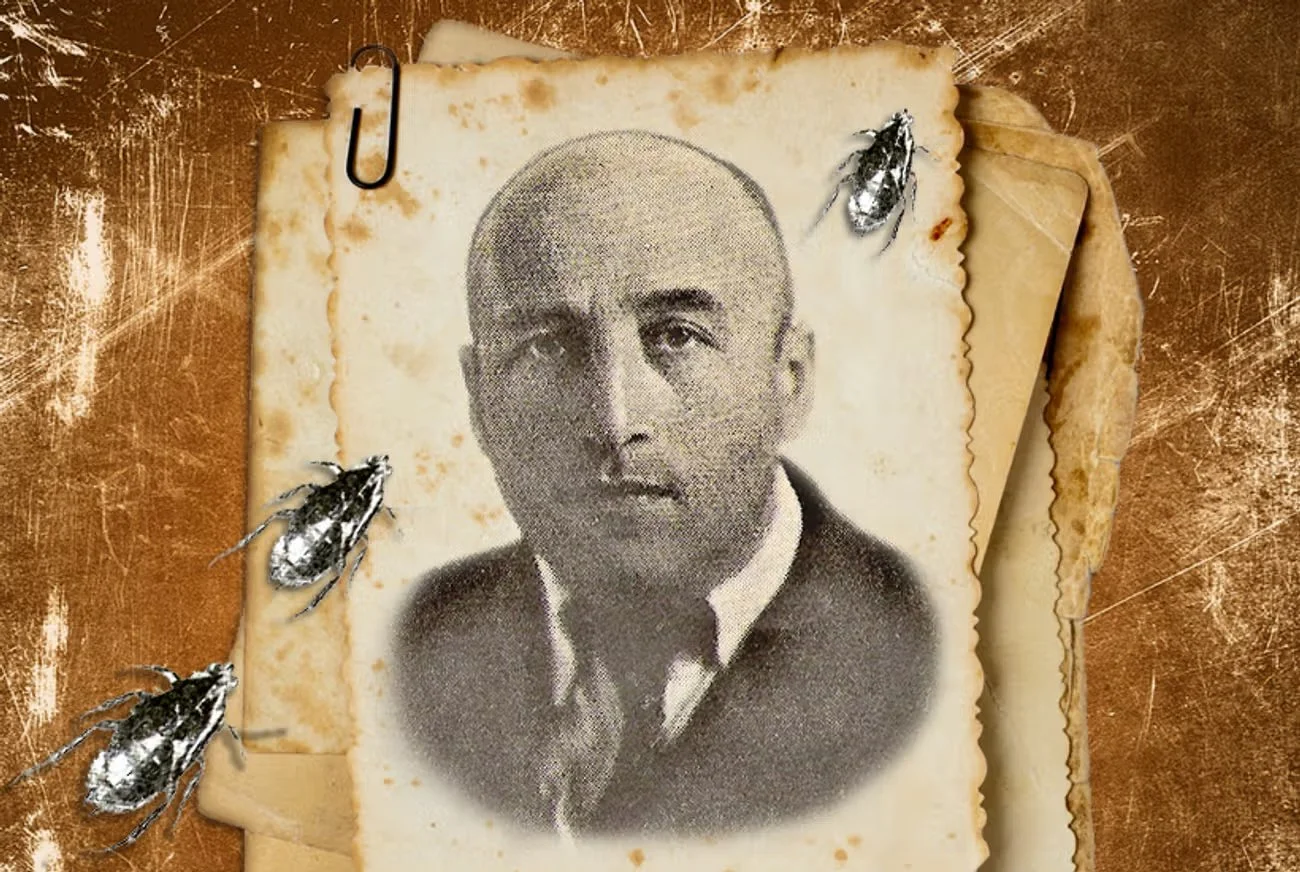
Well, there you have it. I love a good book because it takes me down a road I never would have taken otherwise. I certainly recommend Nine Gates to the Chasidic Mysteries. And yes, I’m picking up some copies to sell in the bookstore.
My Conversation with S.V. Rama Rao
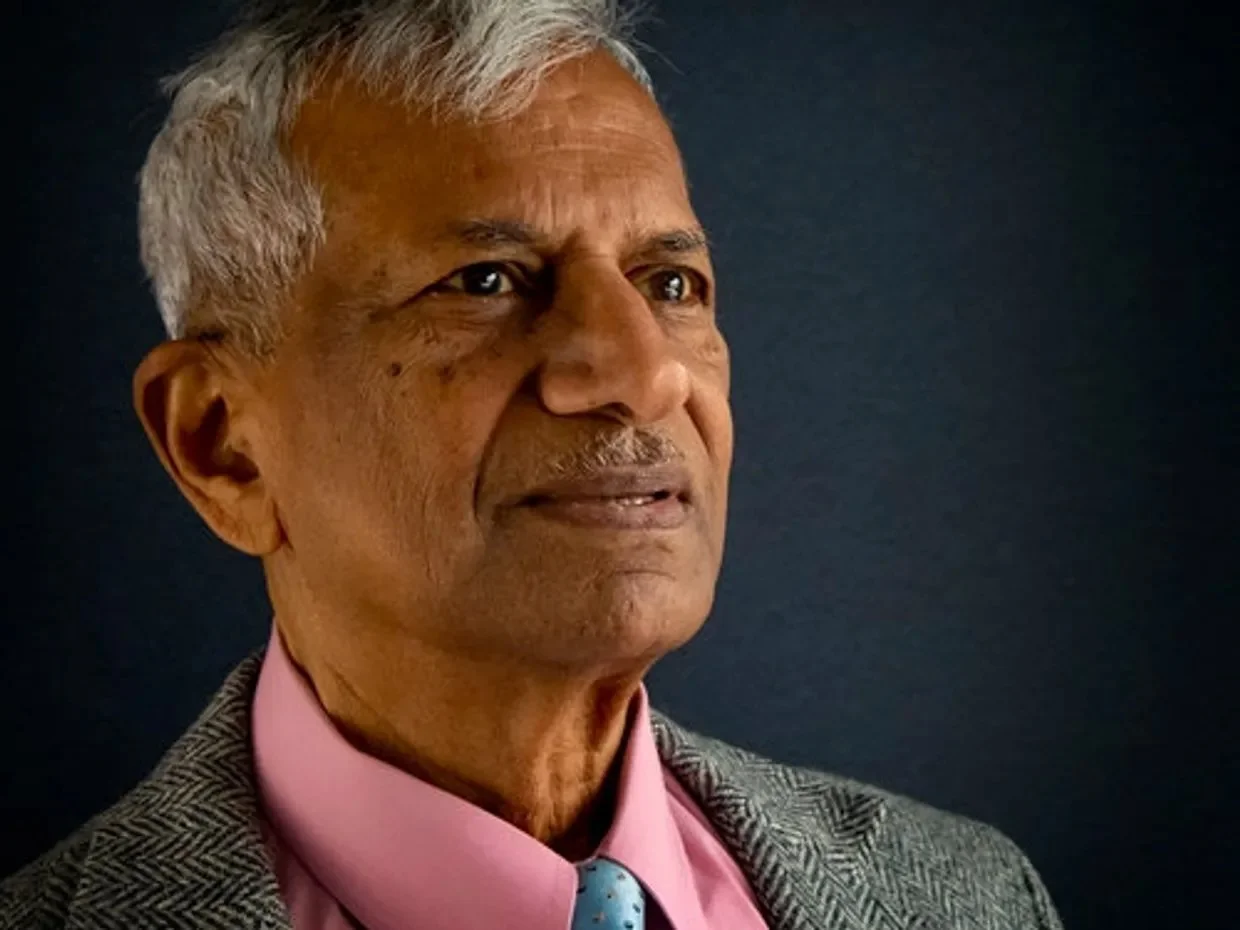
Finally I said, “You know what’s most perplexing for me about being in India – and I don’t know what your perception of this is, since you’ve lived for so long both in India and the West – is when I’m in America, everyone around me knows for an absolute certainty, without any question in their minds, and in complete agreement with everyone else around them, that they are now living a unique life. That is – each person is born, lives, and dies – and that this happens one time. And that therefore each thing that happens during this one life is of enormous importance, since life is so short. While there are varying ideas of what happens after death – the basic idea of Only One Life is a background idea that nearly everyone has in America. But, when I’m here in India, everyone around me knows for an absolute certainty, without any question in THEIR minds, and in complete agreement with everyone else around them, that the life they are now leading is only one in a string of millions or billions of past and future lives. So that anything that happens in this life is a mere fragment of the totality of their real overall existence.”
He looked into my face closely for a little while without speaking. Then he gave me that special side-to-side Indian head-waggle.
How Positivism Conjures Mysticism
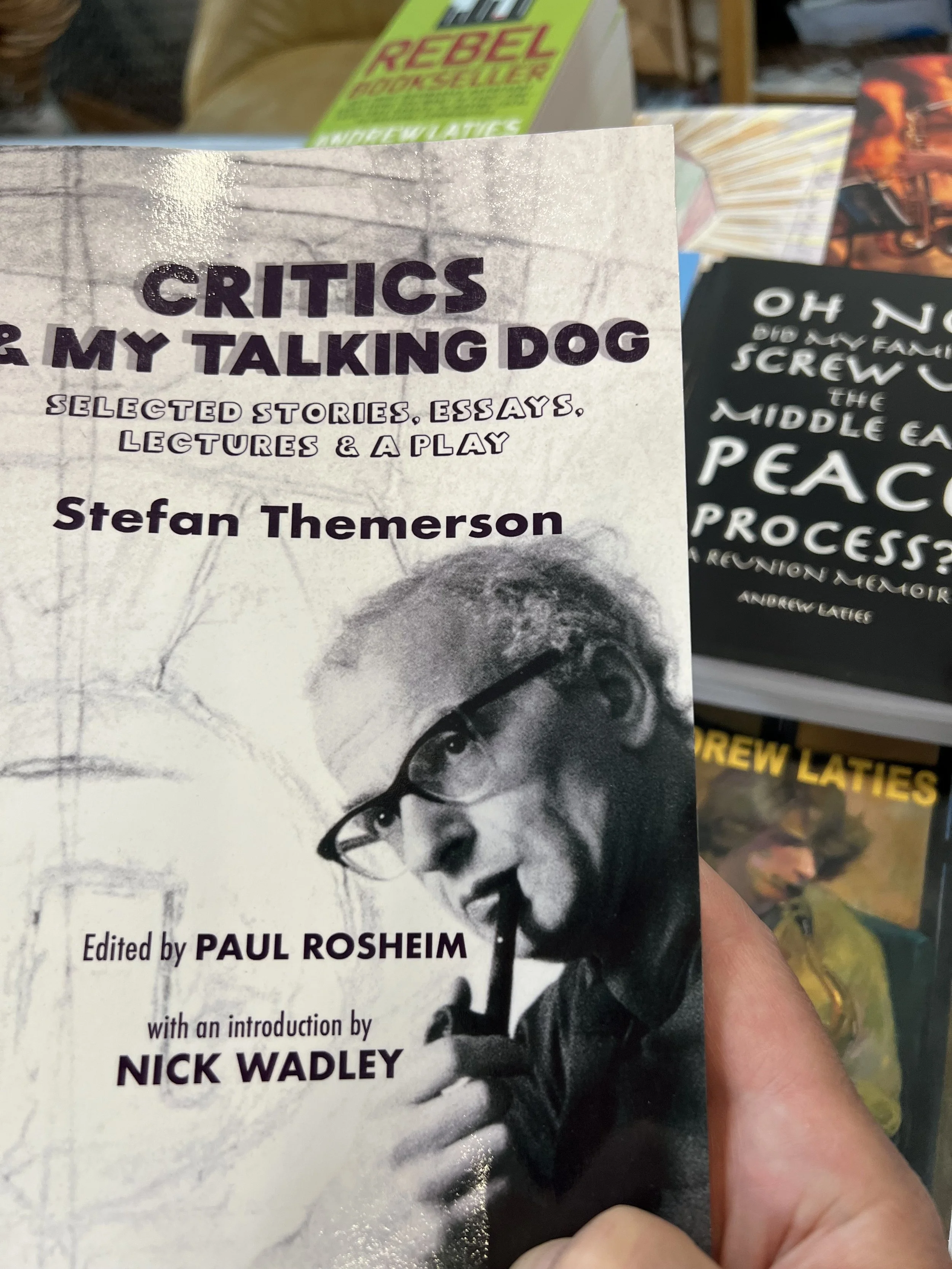
I must have been driving the car when I thought to record this. I repeated myself: “Positivism becomes a proxy for assimilationism because they both involve the non-verbalizing of unmentionables.”
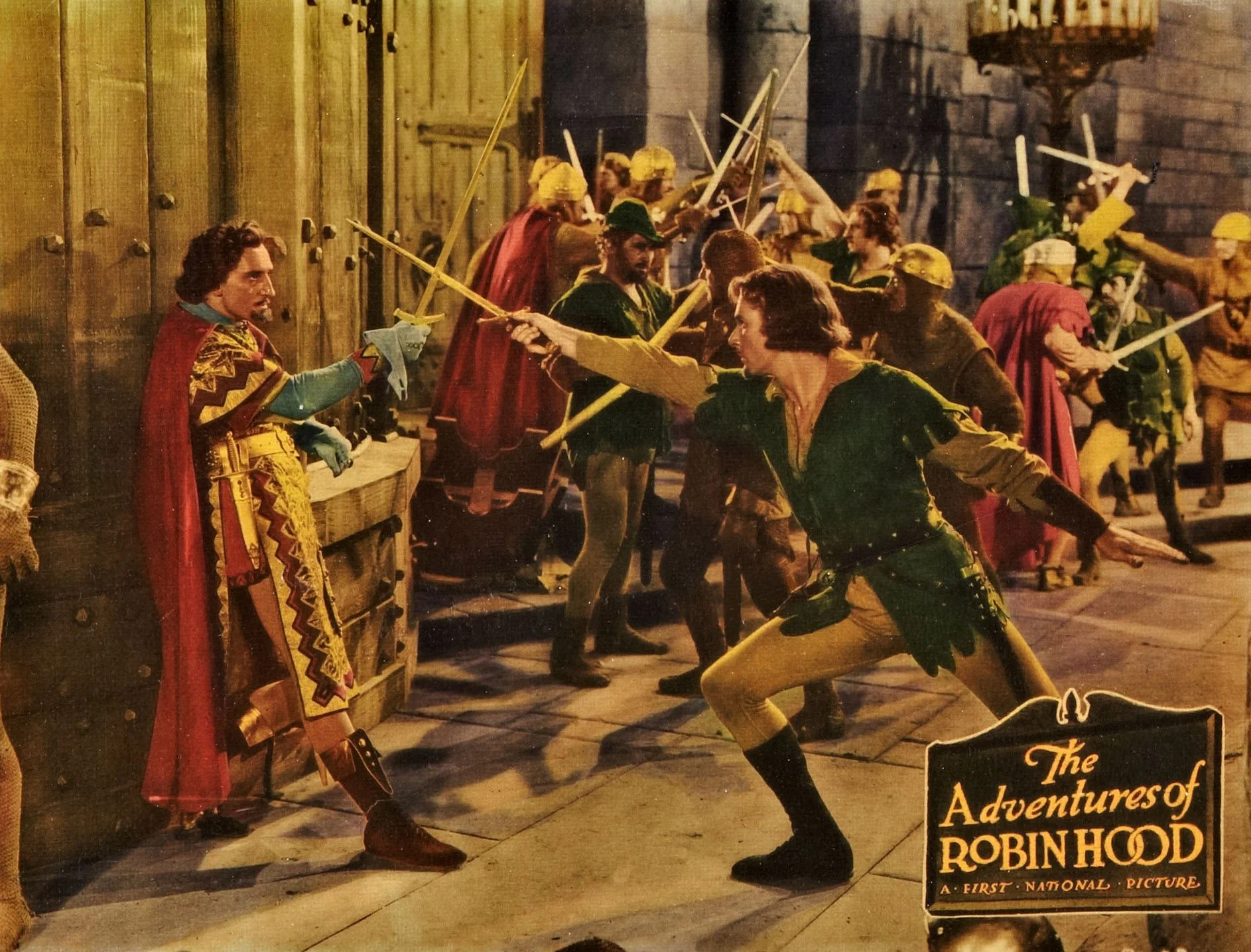
Robin Hood and the Corruption/Justice Archetype
When I write a book, I often don’t know what it’s about. I’m comfortable with this, because I learned years ago that authors don’t control their output. They are immersed in their personal and historical contexts: how could they understand their own work? Once my book is really finished, I stop being the author: I become the reader. At this point, I might start to put two and two together.
Today, I realized that my book has a big theme I’d been unaware of: the Robin Hood critique of corruption.
Don’t Scare Yourself
In 1843, Monos Leites, a leader in the town of Mstislavl (also called Amchitslav), along with peers, stood up against the regional governor’s persecution. Together, these righteous elders incurred punishment from Tsar Nicholas for their alleged “Mstislavl Rebellion,” first by having their Orthodox hair and beards shaved into a checkerboard pattern, then by getting thrown into prison. Further, Nicholas decreed that one in ten male Mstislavl Jews aged twelve to sixty would be conscripted into the army.
Winner Take All / Revolution Carousel
Who wants to acknowledge—let alone teach—that Holocausts lead to Nakbas; that oppressed Jews turn around and become oppressors of Palestinians?
The Logic of Rampage
Haman’s desire [in the book of Esther] to completely eradicate the Jews of Persia—man, woman, and child—mimics the actions of Iran and its proxies, specifically Hamas…. These are the fingerprints, the modus operandi of Amalek, our arch-enemy throughout the ages. They carry within them the bloodlust for Jewish destruction; their DNA extends from Haman to Chmielnicki to Torquemada to the Nazis. They cannot be bribed or bought off, pacified or persuaded; they must be confronted and conquered if we are to survive.
—Stewart Weiss, Jerusalem Post, March 3, 2026
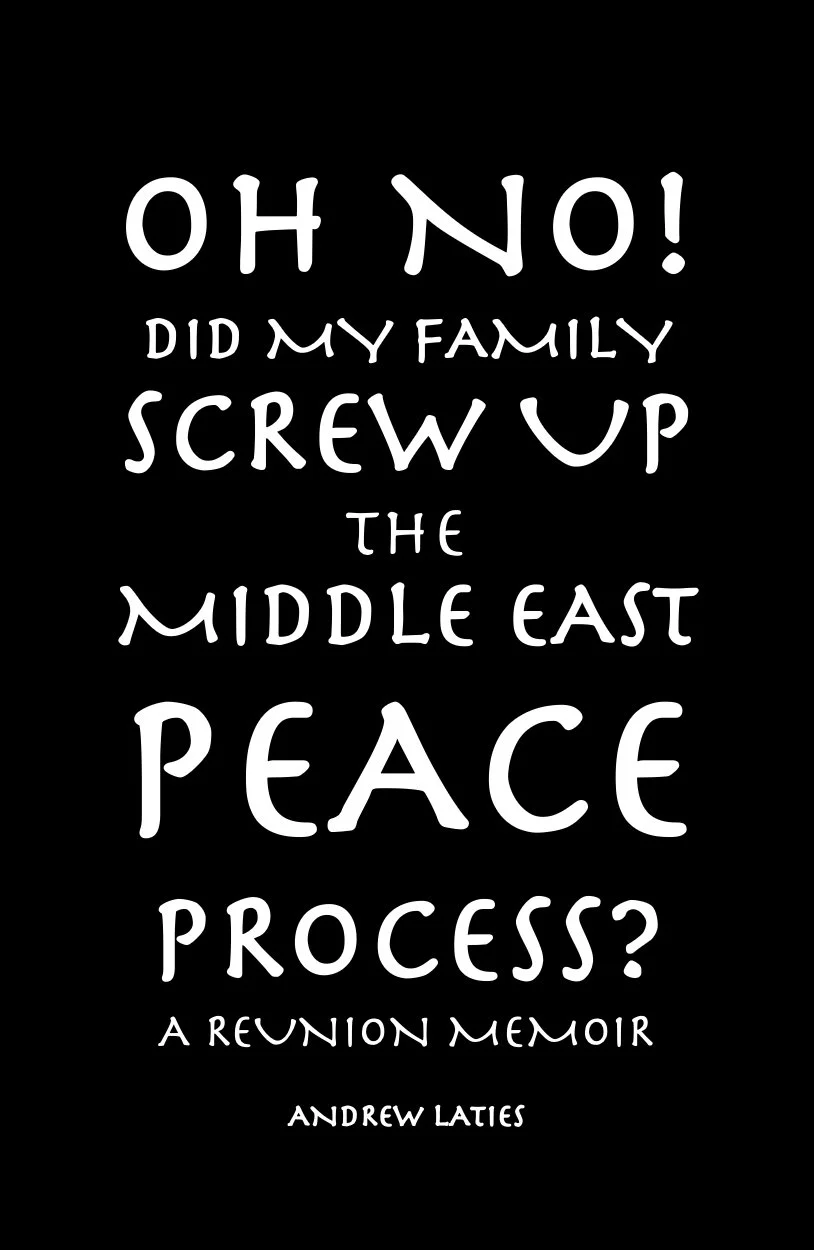
My New Book: “Oh No! Did My Family Screw Up the Middle East Peace Process? A Reunion Memoir”
“A book creates a community of readers. Every reading is different, and different readers utilize that same text to talk with each other, learn about themselves, and engage in personal transformation. Books have the power to influence a society’s worldview. As eras pass, people read the same book in light of today’s news and interpret it afresh. In the presence of a stable text: readers themselves change over time.”