A friend reposted this Facebook meme, with the comment, “Showing up in my feed twice in a few minutes”—along with a “laughed-till-I-cried” emoji.
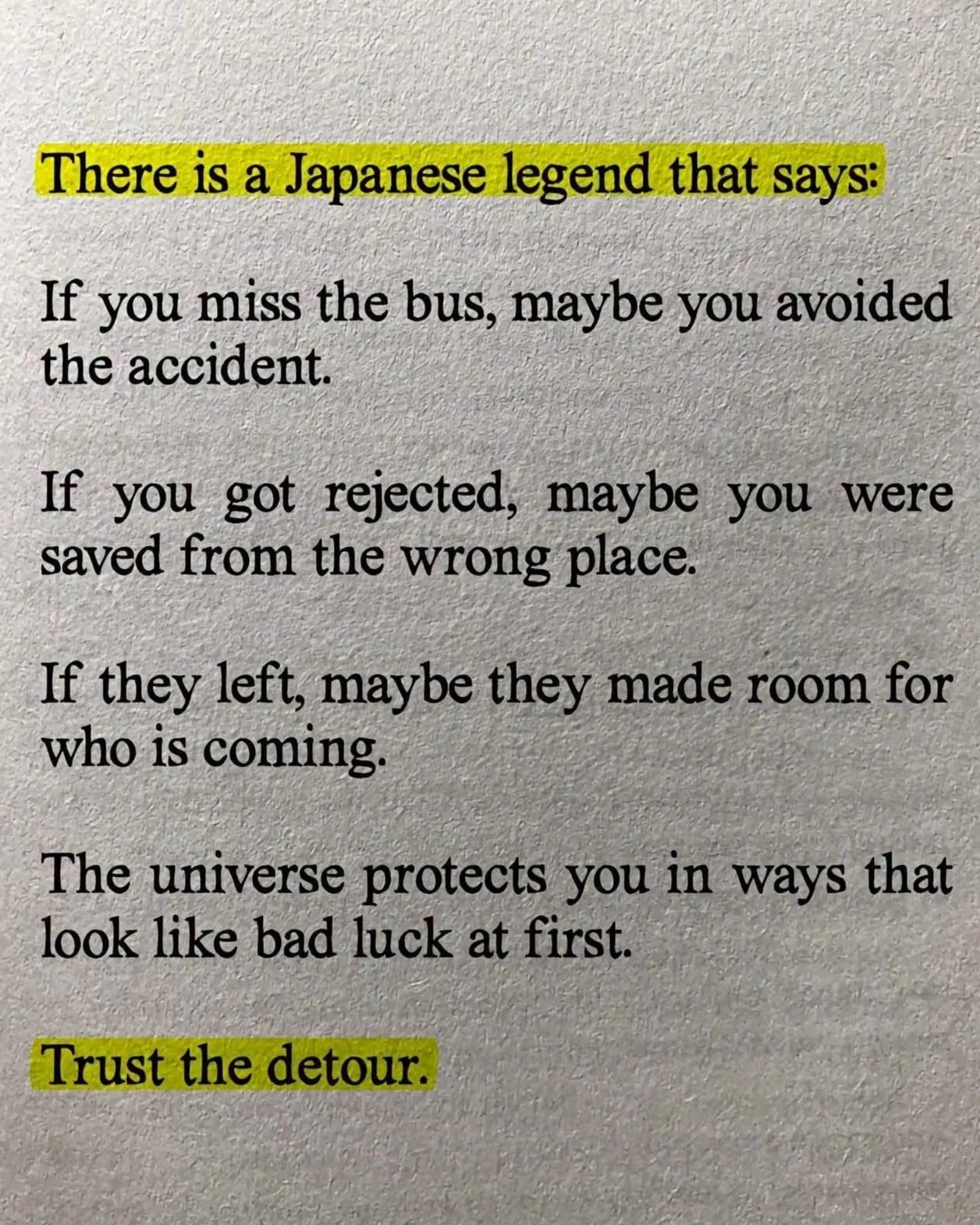
Mutual friends posted jolly responses, such as, “They lost me at the last two lines,” and “We missed the landslide on 209 because we got stuck in the traffic in Jim Thorpe.”
I felt a surge of annoyance, and responded, “No—not an old Japanese legend because not Buddhist nor Shinto. And btw. Every one of these propositions should end with the clause ‘it’s because you didn’t get out and vote!’”
My irritation was: this meme advocates passivity, but people should take action. Don’t accept “fate”—make your own luck. Get to the bus stop early, next time. Re-contact HR and find out what happened to your application. Check with acquaintances to try understand why that relationship went sour. No, the universe is not benevolent and does not care about us.
We make our own luck, dammit.
Well. Probably I’m just jealous. Four weeks ago, I posted onto Instagram:
“I invented a meme. Will I get rich from the t-shirts? What do you think:
‘Proposition 7: Whereof one cannot speak, thereof one must repost clickbait.
—Ludwig Wittgenstein.’
I imagine my meme is illustrated with a picture of Wittgenstein waving his poker.”
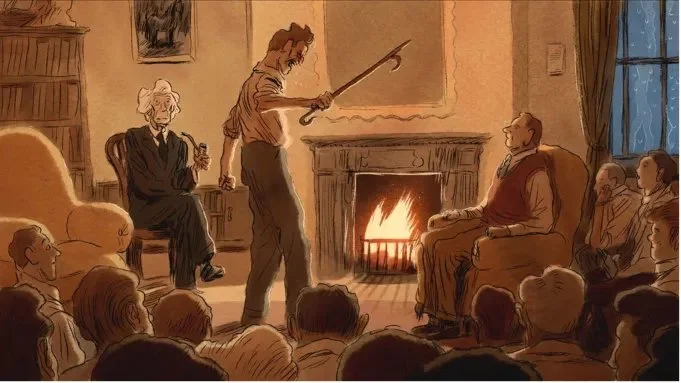
Ahem. In my unbiased opinion, my positivist-satire meme is a helluva lot more incisive than that old Bad-Luck-Is-Really-Good-Luck-In-Disguise-Japanese-Legend meme.
So, how come nobody’s reposting my Wittgenstein meme?
Where are my royalties? (Or—at least—my stream of click-notifications from Facebook?)
Or…… ……. ……. is it that my meme’s failure to catch on is ….. Good Luck masquerading as Bad Luck ….. —Could it be that I’m being protected, by somebody …. out there… By… the Universe itself. ...... from the embarrassment of …. having created …. a Dumb Meme??
Yes! The Great and Powerful Zuck is looking out for me! Everything’s happening for the best.
Nobody’s gonna see my unfunny joke. Praise Meta!
